Imagine you are training for a big marathon. You have read every book about running. You know the history of the race and the science of how muscles work. But there is one problem. You have never actually put on your running shoes or stepped onto the track.
When the race day finally comes, you might know the theory, but your body will not know what to do. Your heart will race, and you will feel lost.
Studying for exams is exactly the same. Many students spend hundreds of hours reading textbooks and highlighting notes. They work very hard, yet they are often disappointed when they see their results. Why does this happen? It happens because of a misalignment between effort and strategy.
Reading is passive. Taking an exam is active. To bridge that gap, you need a secret weapon. That weapon is past papers.
Students who struggle often feel overwhelmed by the syllabus. They turn to guess papers to see which questions appear most often. If you are preparing for a major test, like the ECAT in Pakistan, you must realize that practicing past papers is not just an option. It is a vital tool. You need to know your tools before you can put in your best effort.
In this guide, we will explore why past papers are the bridge that connects your hard work to actual results. We will show you how to shift from passive reading to active application so you can stop burning out and start scoring higher.
Why are past papers important
The most common question students ask is why they should look at old tests when the new test will have different questions. The answer is simple. While the questions change, the logic of the examiner stays the same.
Past papers are important because they act as a map. Without a map, you are just wandering through a forest of information. You might find some interesting trees, but you will probably get lost. Past papers show you the path that the examiners want you to take.
They help you understand the tone of the exam. Every exam has a specific “personality.” Some exams focus on memory. Others focus on how you apply what you know. By looking at previous years, you begin to see the patterns. You start to notice which topics the examiners love and which ones they rarely touch.
This is called understanding “weightage.” Not every page in your textbook is equal. Some chapters might be worth twenty points, while others are only worth two. If you spend all your time on the two point chapter, you are wasting your energy. Past papers show you where the big points are hidden.
Another reason they are so important is that they act as a diagnostic tool. Think of them like an X-ray for your brain. When you try to answer a past paper, you will quickly find out what you actually know and what you only think you know.
It is easy to read a page and feel like you understand it. But when you have to write down an answer without looking at your notes, the truth comes out. This allows you to fix your mistakes before the real exam day. It eliminates the “shock” of seeing an unfamiliar question because you have already seen how the examiners think.
Benefits of solving past papers
Solving past papers offers many benefits that go beyond just learning the facts. One of the biggest benefits is mastering time management.
Many students are very smart but they fail because they run out of time. They spend too much time on a hard question at the beginning and have no time left for the easy questions at the end. When you practice with past papers under a timer, you train your brain to move faster. You learn how much time to give to each section.
Another huge benefit is the reduction of anxiety. Fear usually comes from the unknown. If you don’t know what the exam looks like, you will be nervous. But if you have solved ten past papers, the real exam just feels like the eleventh one. You become familiar with the layout and the instructions. This keeps you calm and focused.
Here are some other key benefits:
- You learn how to phrase your answers. Examiners look for specific keywords. Past papers help you identify those words.
- You improve your writing speed. In the age of computers, writing by hand for three hours can be tiring. Practice builds your physical stamina.
- You understand the marking scheme. Sometimes, a long answer only gives you points for three specific facts. Past papers teach you to focus on what earns marks.
- You develop “exam intelligence.” This is the ability to stay cool and use logic to solve a question you haven’t seen before.
By shifting from passive reading to active application, you are teaching your brain to retrieve information. This retrieval practice is the most effective way to move information from your short term memory to your long term memory.
Importance of previous year question papers
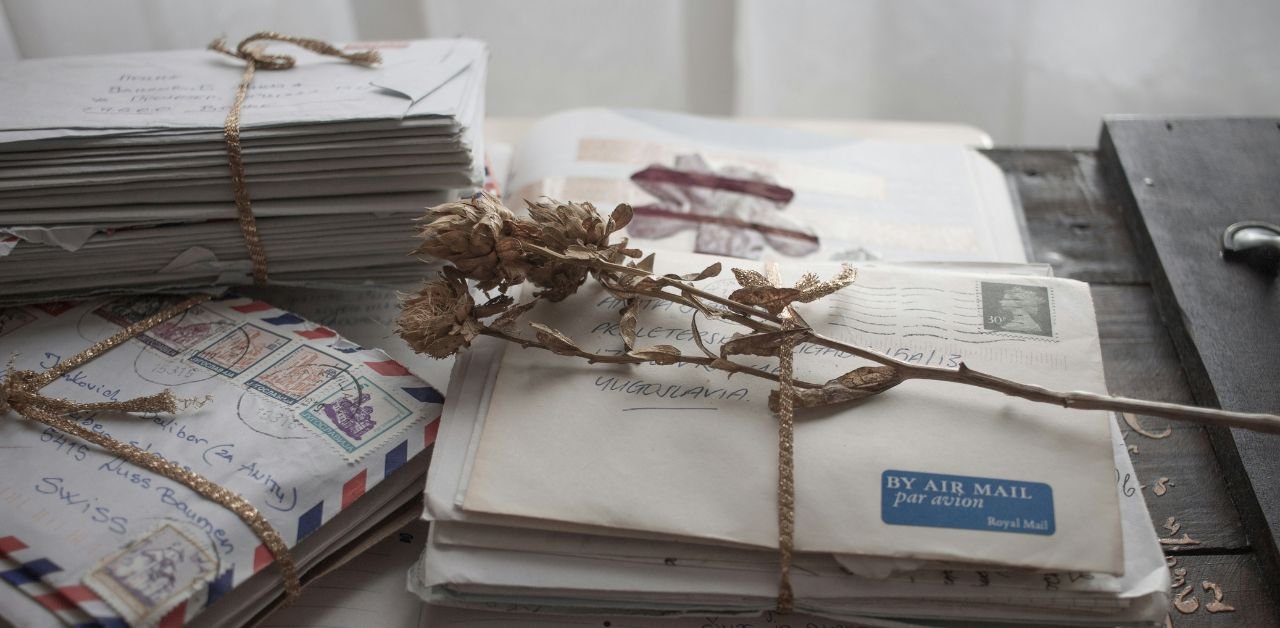
Previous year question papers are like a time machine. They allow you to see exactly what happened in the exam room in the past. This historical data is incredibly valuable for your preparation.
In many educational systems, there is a “culture of repetition.” Certain core concepts are so fundamental that the examiners must ask about them every year. They might change the numbers or the names, but the concept stays the same. If you master the previous year papers, you are essentially seeing a preview of your own exam.
These papers also help you understand the “level of difficulty.” Textbooks often have very simple examples. However, the real exam might be much harder. If you only study from the book, you might be in for a nasty surprise. Previous year papers show you the true standard you need to reach.
Furthermore, using these papers helps you avoid the “guess paper” trap. Many students rely on low quality guess papers that claim to know exactly what will be on the test. These can be dangerous because they might be wrong.
Instead of guessing, you should use previous year papers to see the trends yourself. This makes you a more independent and confident learner. You are not relying on luck. You are relying on data and evidence.
How to use past papers for exam preparation
Just having the papers is not enough. You need a strategy to use them correctly. If you just look at the questions and then look at the answers, you are not really learning. You are just reading again.
The best way to use past papers is to follow a step by step process.
First, finish a chapter or a unit in your textbook. Once you feel like you know the material, find the questions from that topic in the past papers. Try to answer them without looking at your book. This is called “topical practice.” It helps you see if you can apply what you just learned.
Second, as you get closer to the exam, you should do “full paper practice.” This means sitting down in a quiet room, setting a timer for three hours, and doing the whole paper from start to finish. Do not get up for a snack. Do not check your phone. Treat it like a real exam.
After you finish, you must grade your work. Use the official marking scheme if you can find it. Be honest with yourself. If your answer is messy or incomplete, mark it wrong. This is where the real learning happens.
Look at the questions you missed. Ask yourself why you missed them. Did you forget the fact? Did you run out of time? Did you misunderstand what the question was asking? Once you find the gap, go back to your textbook and study that specific part again. This is much more efficient than reading the whole book from page one.
Past papers vs Mock exams for preparation
Both past papers and mock exams are useful, but they serve different purposes. It is important to know when to use each one.
Past papers are the “gold standard.” They are the actual questions written by the people who set the exams. They give you the most accurate view of the language and the difficulty level. You should use past papers throughout your entire study period to keep your learning on track.
Mock exams are usually created by teachers or coaching centers. They are “fake” exams designed to mimic the real thing. Mocks are great because they often contain new questions that are predicted to be relevant for the current year. They provide a fresh challenge that you haven’t seen before.
However, mocks can sometimes be much harder or much easier than the real exam. Some teachers make mocks very difficult to scare students into studying more. This can sometimes hurt your confidence.
The best strategy is to use a mix of both. Use past papers to build your foundation and understand the examiner’s style. Use mock exams to test your ability to handle brand new problems. If you can do well on both, you are ready for anything.
Why are past papers important for students
For a student, the ultimate goal is to get the best marks possible with the time they have. We all have the same 24 hours in a day. The difference between a top student and a struggling student is often how they use those hours.
Past papers are important because they make your study time more efficient. Instead of wandering aimlessly, you are focusing on the things that actually matter. This prevents academic burnout. Burnout happens when you work very hard but don’t see progress. When you use past papers, you see progress every day. You see your scores going up, and that gives you the motivation to keep going.
They also help you develop critical thinking. Instead of just memorizing a list of facts, you are learning how to use those facts to solve a puzzle. This is a skill that will help you long after the exam is over.
In professional life, you will always face challenges where you have to apply your knowledge. Starting this habit now through past papers sets you up for success in your future career. Whether you are aiming for medical school, engineering, or any other field, the ability to analyze a problem and find a solution is the most valuable skill you can have.
Conclusion
In the end, exams are not just a test of what you know. They are a test of how well you can perform under pressure.
You can spend years reading about how to swim, but you will never learn until you jump into the water. Past papers are your chance to jump into the water before the big race. They bridge the gap between effort and results. They turn “hard work” into “smart work.”
By using past papers to understand weightage, manage your time, and diagnose your weaknesses, you are taking control of your education. You are no longer a passive student waiting to see what happens. You are a prepared strategist ready to tackle any question that comes your way.
So, put down the highlighter for a moment. Pick up a past paper. Set a timer. Start practicing. Your future self will thank you when you see those top marks on your result sheet.
Frequently Asked Questions
How many years of past papers should I solve?
It is usually best to go back at least five to seven years. This gives you a large enough sample size to see the patterns and common topics. If the syllabus changed recently, focus more on the papers from the years after the change.
Should I start past papers after finishing the whole syllabus?
No, you should start earlier. Use “topical” past papers while you are learning each chapter. This helps you understand the exam style as you go. Save the full timed papers for the last month before your exam.
What if I can’t find the answers to the past papers?
You can look for “solved past paper” books or ask your teachers for help. You can also form a study group with friends to discuss the answers. Often, the answers are right there in your textbook, you just need to find the right section.
Are past papers enough to pass an exam?
While past papers are incredibly powerful, you still need to understand the basic concepts from your textbook. Use the textbook to build your knowledge and use the past papers to sharpen that knowledge for the exam.
How do I handle a question in a past paper that I have never seen before?
Don’t panic! Use logic. Look for keywords in the question. Often, the examiner is asking a simple concept in a tricky way. Use these moments as a learning opportunity to expand your thinking.