

Technology has become an inseparable part of modern education. From digital classrooms to online learning platforms, it is transforming the way students learn, teachers teach, and schools operate. The use of technology in education makes learning more engaging, personalized, and accessible to everyone, regardless of location or background.
Technology is not just a tool; it’s a bridge that connects learners to endless knowledge and opportunities. Whether it’s through smart boards, e-learning apps, or AI-powered tutoring systems, technology has reshaped education into a more interactive and inclusive experience.
The Role of Technology in Education and Learning
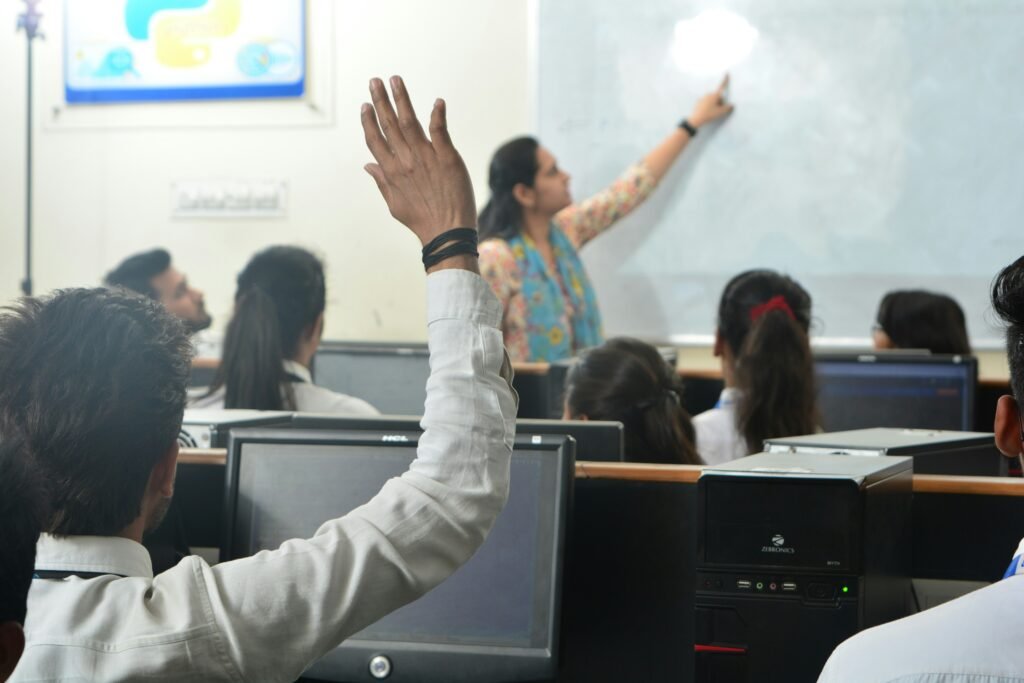
The role of technology in education and learning is to enhance the learning experience by making it more dynamic and interactive. It provides instant access to information, supports collaboration, and helps students develop essential digital skills for the future.
Modern tools such as video lessons, simulations, and online quizzes help students understand complex topics easily. Teachers can use learning management systems (LMS) to monitor progress, share resources, and give instant feedback. Technology also allows learners to study at their own pace, fostering independent learning habits.
Moreover, online platforms like Google Classroom, Zoom, and Khan Academy have become vital in connecting students and educators beyond traditional classrooms. These tools promote active learning and encourage critical thinking and creativity.
Debate on the Role of Technology in Education
The debate on the role of technology in education centers around its advantages and potential drawbacks. Supporters argue that technology democratizes education, offering access to quality learning materials to everyone. It also encourages innovation and keeps students engaged.
However, critics highlight issues like screen dependency, digital distraction, and unequal access to devices and the internet. They also express concerns that technology might replace essential human interactions in education.
The key is balance. Technology should complement traditional teaching methods, not replace them. When used wisely, it enhances creativity, collaboration, and communication between teachers and students.
Body of the Role of Technology in Education
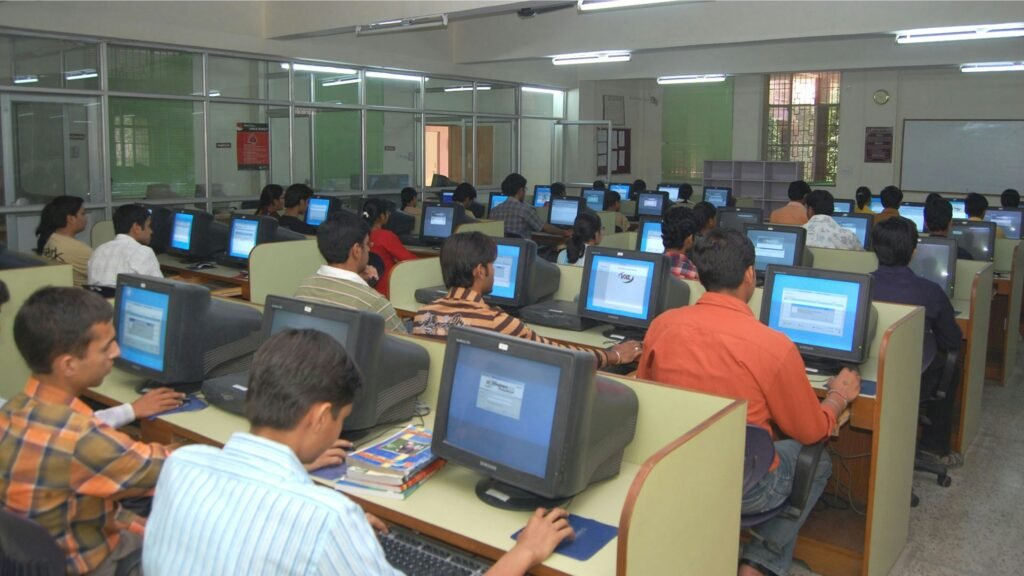
Digital Classrooms
Digital classrooms have revolutionized traditional teaching. Interactive whiteboards, smart projectors, and tablets make lessons more engaging and help teachers explain complex topics visually.
E-Learning Platforms
Online education platforms such as Coursera, Edmodo, and Udemy have made learning more flexible. Students can access lectures, assignments, and quizzes anytime, anywhere.
Digital Assessment and Feedback
Technology allows instant assessment through online tests and quizzes. Teachers can easily track student performance and provide timely feedback.
Improved Communication
Tools like Google Meet, Microsoft Teams, and educational chat apps make communication between teachers, students, and parents seamless.
Personalized Learning
AI-driven tools help tailor lessons according to each student’s strengths and weaknesses, ensuring no one is left behind.
Virtual Labs and Practical Learning
Students can now perform science experiments or explore historical events virtually, which makes learning hands-on and exciting.
21st Century Skills
Technology prepares students for the future by helping them develop critical thinking, collaboration, and digital literacy skills.
Borrow the Role of Technology in Education
Borrowing the role of technology in education means adopting innovative digital practices from successful educational systems. Many institutions integrate technology-driven approaches like blended learning, gamification, and virtual classrooms to make learning more engaging.
Educators can borrow ideas such as flipped classrooms or project-based learning that rely heavily on digital tools. This exchange of ideas encourages continuous improvement in teaching methods globally.
A Speech About the Role of Technology
If you were to deliver a speech about the role of technology in education, you could highlight how it bridges gaps in accessibility, improves student engagement, and prepares future-ready learners.
Start by explaining how education has evolved with technological advancements. Mention examples like online courses, virtual classrooms, and educational apps that make learning more interactive. Conclude by emphasizing that technology is not replacing teachers but empowering them to teach more effectively.
Conclusion
The role of technology in education is undeniably powerful. It transforms learning into a more flexible, interactive, and inclusive process. While challenges exist, the benefits far outweigh them when technology is used thoughtfully.
Technology empowers both teachers and students to connect, explore, and innovate. As the education landscape continues to evolve, embracing technology will remain essential to nurturing the next generation of learners and leaders.
Frequently Asked Questions
1. Why is technology important in education?
Technology enhances learning experiences, makes education accessible, and encourages interactive participation.
2. How does technology improve learning outcomes?
It supports personalized learning, instant feedback, and creative problem-solving through interactive tools.
3. What are the disadvantages of technology in education?
Excessive screen time, unequal access, and dependency on devices are some challenges.
4. How can teachers use technology effectively?
By combining traditional teaching with digital tools like LMS, videos, and online quizzes to maintain engagement.
5. What is the future of technology in education?
The future includes AI-based learning, virtual reality classrooms, and more personalized learning paths.