
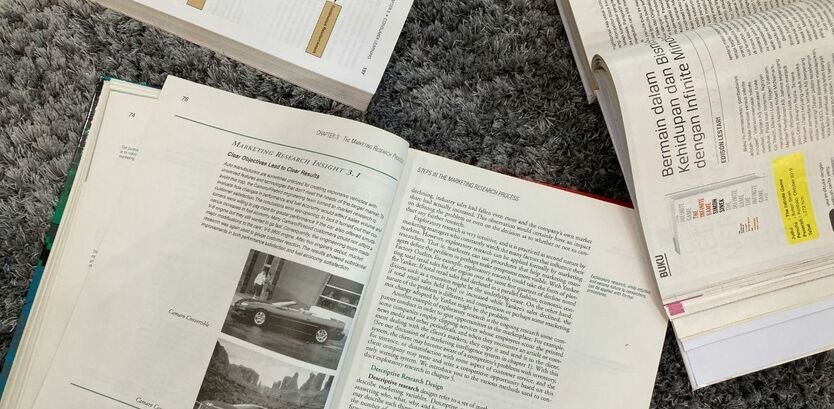
The classroom of today looks vastly different from a generation ago. Where once the weight of a student’s backpack was a measure of their academic load, a single, sleek tablet or laptop now often holds an entire library.
This shift has ignited a major debate in the world of education: digital textbooks vs traditional books.
Digital textbooks, or e-textbooks, offer the same core content as their physical counterparts but in a versatile digital format. You gain access rights to the material and read it on various electronic devices, from computers and tablets to smartphones and e-readers.
However, the question isn’t just about the format it’s about which medium truly enhances learning. Each option comes with a unique set of advantages and drawbacks that impact how students study, absorb information, and interact with their educational materials.
This comprehensive guide will explore the pros and cons of both digital and traditional textbooks to help students, educators, and parents make informed decisions about the best tools for their academic journey.
Digital Books vs Printed Books for Learning

The core purpose of any textbook is to facilitate learning, yet the digital and printed formats approach this goal using fundamentally different sensory and cognitive pathways. Understanding these differences is key to choosing the right tool for the right job.
The Digital Advantage: Convenience and Interactivity
Digital textbooks thrive in the areas of convenience and engagement.
- Ultimate Portability: One of the most celebrated features is the sheer portability. Instead of carrying multiple, heavy books that can weigh as much as six pounds each, a student can carry a thousand textbooks on a single device. This eliminates the stress on a student’s back and simplifies travel between home, classes, and study locations.
- Dynamic and Engaging Content: Digital content is often far from static. E-textbooks can integrate multimedia elements like videos, animations, 3D models, and simulations. This dynamic approach can make complex concepts easier to visualize and understand, especially for students who learn best through visual and auditory cues.
- Search and Navigation: Imagine instantly searching an entire book for a specific term or concept. Digital textbooks allow for instant keyword searches, hyperlinks, and easy bookmarking. This makes quick referencing during study sessions or quizzes significantly faster and more efficient than flipping through pages.
- Customization and Accessibility: The ability to adjust font size, change background color, and zoom in on images is a huge benefit, particularly for students with visual impairments or certain learning disabilities like dyslexia. Many e-textbooks also include text-to-speech features, transforming the material into an audiobook format.
The Printed Book Edge: Focus and Retention
While digital books boast technical superiority, traditional printed books still hold a powerful edge in areas related to focus, deep comprehension, and long-term memory.
- Improved Concentration and Recall: Research often suggests that reading on paper leads to better information retention and comprehension. The focused, screen-free environment of a physical book minimizes the potential for digital distractions like notifications, emails, or browsing.
- Tactile and Spatial Memory: Reading a physical book engages a student’s tactile and spatial senses. You feel the weight of the book, the texture of the pages, and you remember where content is located in the top-left corner of a page near the beginning of a chapter. This physical anchor, often called “haptic memory,” can aid in later recall.
- Enhanced Highlighting and Note-Taking: For many, the act of physically highlighting text, underlining key phrases, and writing notes in the margin is an active form of learning that helps information sink in. While digital tools have annotation features, the kinesthetic connection to a paper book is a powerful study aid that is hard to replicate digitally.
- A Familiar and Simple Format: There is no learning curve, battery life to worry about, or internet connection required for a printed book. They are a simple, reliable, and universally accessible format that works anywhere, anytime.
Are Digital Textbooks Better Than Traditional Books?
To determine if one format is “better,” we must look past personal preference and evaluate their effectiveness across different measures in the educational environment.
Where Digital Textbooks Excel
Digital textbooks have fundamentally changed how institutions manage and distribute content, making them superior in several practical ways.
1. Staying Up-to-Date
A significant drawback of traditional books is their static nature. Once printed, the information is locked in, and the entire book must be reprinted for corrections or updates. In fast-moving fields like science, technology, or current events, a physical textbook can become outdated almost as soon as it’s published.
Digital textbooks solve this problem with instant updates. Publishers can push out new information, corrections, and revised content immediately, ensuring students always have the most current and relevant data without needing to purchase a new edition. This makes them a fantastic tool for subjects that require constantly current information.
2. Supporting Diverse Learning Styles
The multimedia components of digital books videos, interactive quizzes, and simulations caters more effectively to students who are visual or auditory learners. This multi-modal approach to learning can increase student engagement and provide a richer, more diverse educational experience that caters to different learning preferences.
3. Environmental Impact
While digital devices require energy for manufacturing and charging, the elimination of paper, ink, and the logistics of shipping heavy physical books results in a lower overall carbon footprint for content distribution. A single device can replace hundreds of printed books over its lifetime, making digital books the more eco-conscious choice in the long run.
Where Traditional Books Hold Their Ground
Traditional books remain the preferred format for activities that require sustained focus and deeper cognitive processing.
1. Depth of Reading and Comprehension
Multiple studies suggest that when students read deeply for long periods, or when the goal is to fully internalize complex narratives or ideas, printed books offer a cognitive advantage. The scrolling nature of digital text can encourage skimming, whereas the fixed layout of a printed page fosters a more deliberate, word-by-word reading style.
2. Minimizing Distraction
A physical book is a dedicated tool for reading. An electronic device, on the other hand, is a portal to the entire digital world. This difference is crucial in a learning environment. While traditional books allow a student to step away from screens and focus entirely on the material, digital devices even with apps dedicated to reading always present the temptation of checking social media, browsing, or switching tasks.
3. Reduced Eye Strain and Fatigue
Reading on a reflective paper surface is simply less taxing on the eyes than reading on a backlit digital screen for extended periods. Increased screen time, a common side effect of digital textbooks, can lead to eye strain, fatigue, and headaches, all of which ultimately hinder the learning process.
Digital Learning Books vs Paper Books
When we weigh digital learning books vs paper books, we are comparing two distinct learning experiences: one rooted in sensory connection and one in technological capability.
The Digital Experience: An Ecosystem of Learning
A digital textbook is more than just text on a screen; it is often part of a complete digital learning ecosystem.
- Integrated Study Tools: Digital platforms often include features that are built directly into the book, such as instant definitions, flashcards, and chapter quizzes with immediate feedback. This allows students to self-assess their understanding and reinforce key concepts without ever leaving the reading environment.
- Collaboration Features: Some e-textbook platforms allow students and instructors to share notes, highlight passages, and engage in real-time online discussions directly related to the text. This fosters a sense of community and collaborative learning that is difficult to replicate with a static, printed book.
- Learning Analytics: Digital platforms can track how long students spend reading, which sections they highlight most, and their performance on quizzes. This data provides valuable insights for both the student (to identify weak areas) and the instructor (to tailor lessons and provide personalized support).
The Paper Experience: Kinesthetic and Sensory
The paper book experience is a multi-sensory one that fosters a physical connection to the material.
- The Power of Annotation: Studies on learning and memory often emphasize the importance of physically interacting with the material. Annotation in a paper book scribbling thoughts, circling key terms, and drawing connections is a highly personal and powerful cognitive act that strengthens memory pathways.
- Ease of Flipping and Comparing: While digital search is fast, flipping back and forth between chapters, pages, and indexes in a physical book to compare concepts or review material is often more intuitive for many students. You can have multiple sections open at once by placing your fingers between the pages, offering a spatial memory cue for quick reference.
- Mental Mapping of the Text: When reading a printed book, the physical layout the size of the book, the thickness of the pages, the location of a paragraph on a specific page helps create a mental map of the content. This spatial context is highly valuable for information retrieval during exams.
Textbooks vs Online
The “textbooks vs online” debate expands the discussion to the wider context of all digital learning materials. Digital textbooks are just one component of a vast online educational landscape that includes open educational resources (OER), academic databases, and multimedia lectures.
The Role of Digital Textbooks in the Online World
In a world driven by online learning and remote education, digital textbooks are an essential bridge between traditional content and modern delivery.
- Seamless Integration with Coursework: Digital textbooks easily integrate with Learning Management Systems (LMS) like Canvas or Moodle. This allows students to access readings, submit assignments, and participate in class discussions all from a single online portal, streamlining the academic workflow.
- Anytime, Anywhere Access: For students juggling work, family, or travel, digital textbooks offer crucial flexibility. They allow students to download content for offline use and access study materials from virtually any location, making education more accessible to non-traditional and distance learners.
- Leveraging Hypertext and External Resources: Unlike a printed book, a digital textbook can contain hyperlinks that immediately connect students to external academic journals, supplementary videos, or the author’s source materials. This instant access to a wider pool of knowledge encourages deeper, self-directed exploration beyond the core text.
The Foundation of Traditional Textbooks
Even with the rise of the digital classroom, traditional textbooks provide a necessary foundation of structured, vetted, and sequential learning.
- Structured, Curated Content: A physical textbook is the result of a rigorous publishing process, offering content that is systematically organized and peer-reviewed. This provides a clear, reliable, and authoritative path through a subject, which is essential for foundational understanding.
- A Retreat from the Digital Noise: The constant stream of online information can be overwhelming and lead to confusion about reliable sources. A traditional textbook serves as a single, trusted source of truth for the curriculum, providing a necessary ‘anchor’ in a sea of internet content.
- Ensuring Basic Access: For students without reliable high-speed internet or dedicated personal devices, the traditional textbook is not an optional luxury it is the only dependable source of required learning material.
Pros and Cons of Digital Textbooks
The move toward digital learning tools is driven by powerful benefits, but it also introduces significant challenges that must be addressed.
Advantages of Digital Textbooks in Education (Pros)
Digital textbooks offer compelling advantages that align with the future of learning:
| Feature | Benefit for Learning | Featured Snippet Opportunity |
| Portability & Convenience | Students can carry an entire library on a single device, reducing backpack weight and making study materials accessible anywhere. | Advantages of digital textbooks in education include ultimate portability, dynamic content, and instant search functions. |
| Interactivity | Incorporates multimedia, videos, and quizzes, offering a multi-modal experience that boosts engagement and aids comprehension for diverse learners. | Digital textbooks offer an interactive learning experience through embedded videos, quizzes, and simulations. |
| Instant Updates | Content can be updated immediately by the publisher, ensuring students always have the latest information and corrections. | A key benefit of digital textbooks is their ability to receive instant updates, keeping the content accurate and current. |
| Searchability | Allows students to instantly search for keywords and jump to relevant sections, making review and research significantly faster. | Digital books vs printed books for learning show digital books have a clear advantage in searchability and navigation. |
| Accessibility | Features like adjustable font size, text-to-speech, and screen-reader compatibility support students with visual or learning disabilities. | The most significant pros and cons of digital textbooks often highlight their enhanced accessibility features. |
Challenges of Digital Textbooks (Cons)
Despite their benefits, digital textbooks present hurdles related to physical well-being and equitable access:
| Challenge | Impact on Learning |
| Screen Time and Eye Strain | Extended use of backlit screens can lead to eye fatigue, headaches, and disrupted sleep patterns, potentially impacting focus and retention. |
| Technical Dependence | Requires a charged device and, often, a reliable internet connection. Technical failures, software glitches, or lack of charging can halt studying instantly. |
| Digital Distractions | Using a general-purpose device for reading creates constant temptation from other apps, notifications, and web browsing, leading to fragmented attention. |
| Potential for Skimming | The way people read on screens often encourages rapid skimming rather than deep, sustained, and reflective reading. |
Practical Takeaways and Actionable Advice
The ongoing debate of digital versus traditional textbooks does not lead to a conclusion where one format is declared the winner. Instead, it highlights that the most effective learning strategy is a balanced approach one that leverages the unique strengths of each medium.
Here is actionable advice for students and educators:
Advice for Students
- Use the Right Tool for the Task:
- For Deep Comprehension and Heavy Reading: Use a physical textbook. When you need to read a complex chapter for the first time, or if you are preparing for a major exam that requires deep recall, the paper format will encourage focus.
- For Research and Review: Use a digital textbook. Leverage the instant search, portability, and quick reference features when you need to find a specific fact, check a definition, or study on the go.
- Minimize Digital Distraction: If you are reading an e-textbook on a general-purpose device (like a laptop), turn off all notifications and close any unnecessary programs or browser tabs. Consider using reading modes or dedicated e-readers to create a distraction-free zone.
- Practice Active Annotation: Whether on paper or screen, the act of making notes is vital. If using a digital book, commit to using the highlighting and annotation tools. For paper books, be aggressive with marginal notes and underlining.
Advice for Educators
- Promote a Blended Strategy: Encourage students to use digital tools for supplementary material, quick quizzes, and collaborative group work, while reserving core, conceptual reading for times when paper books (or printouts) can be used to foster deeper comprehension.
- Integrate Digital Features Intentionally: If using a digital textbook, assign tasks that force students to use the interactive features, such as watching an embedded video before a lecture, or completing an instant self-assessment quiz after a reading section.
- Address Screen Fatigue: Be mindful of the overall screen time students are accruing. Incorporate non-screen-based activities into lessons and remind students to take frequent breaks when reading digital materials.
Frequently Asked Questions (FAQs)
Q: Do digital textbooks affect reading comprehension?
A: Some studies suggest that students tend to read slower and retain less information when reading complex or lengthy texts on a screen compared to paper. However, for understanding the main idea or short passages, the difference is often minimal. The key factor is how focused the student is.
Q: Are digital textbooks the future of all education?
A: While digital textbooks are becoming increasingly prevalent due to their efficiency and interactive features, experts agree that a balanced approach is likely the future. Traditional books remain valuable for focused, deep learning, suggesting they will continue to play a foundational role alongside digital tools.
Q: How can I reduce eye strain when using a digital textbook?
A: To reduce eye strain, follow the 20-20-20 rule: Every 20 minutes, look away from your screen at an object 20 feet away for at least 20 seconds. Adjust your device’s brightness to match the light around you, and consider using a matte screen protector or blue light filter.
Q: Is there a preference between e-readers and tablets for digital textbooks?
A: Dedicated e-readers often use “e-ink” technology, which mimics the look of paper, making them much easier on the eyes and better for long periods of reading. Tablets and laptops offer more robust multimedia features and multitasking capabilities but cause more eye strain. For pure, focused reading, an e-reader is often preferred.
Conclusion: A Blended Future for Textbooks
The debate between digital textbooks vs traditional books is a compelling look at the intersection of technology and cognitive learning. Digital textbooks have rightly earned their place in the modern classroom, bringing unparalleled convenience, accessibility, and interactive engagement. They are powerful tools for research, review, and dynamic exploration, offering features that static paper cannot match.
Yet, the traditional book remains an irreplaceable educational foundation. Its physical presence fosters a dedicated learning environment, promotes deeper comprehension, and supports the tactile and spatial memory essential for mastery of complex subjects.
Ultimately, the most effective strategy for today’s learner is not to choose one over the other but to embrace a blended model. By strategically using the portable, dynamic nature of digital textbooks to complement the focused, deep-reading capabilities of traditional books, students can create a personalized and optimized learning experience.
The future of education lies in the smart integration of both, ensuring that technology serves to enhance, rather than distract from, the timeless process of learning.