
Picture this: You’re sitting in your favorite coffee shop, tablet in hand, learning a new skill that could change your career. Or maybe you’re a parent helping your child with homework using interactive lessons from halfway around the world. This is the power of digital learning platforms.
A Digital Learning Platform (DLP) is a web-based tool that brings education to your fingertips. Digital learning has woven itself into the fabric of our daily lives. Whether it’s corporate training at work, pursuing a new hobby, or continuing formal education, these platforms have become essential companions in our learning journey.
From elementary school students to executives at major companies, millions of people interact with digital learning platforms every single day. These aren’t just websites with videos. They’re complete learning ecosystems that offer courses, interactive quizzes, video lectures, and connections with learners worldwide. All you need is an internet connection and a device.
What makes these platforms truly revolutionary is their flexibility. You can learn at your own pace, choose from thousands of subjects, and access world-class instruction without leaving your home. The barriers that once made quality education difficult to access are disappearing one click at a time.
Understanding Digital Learning Platforms
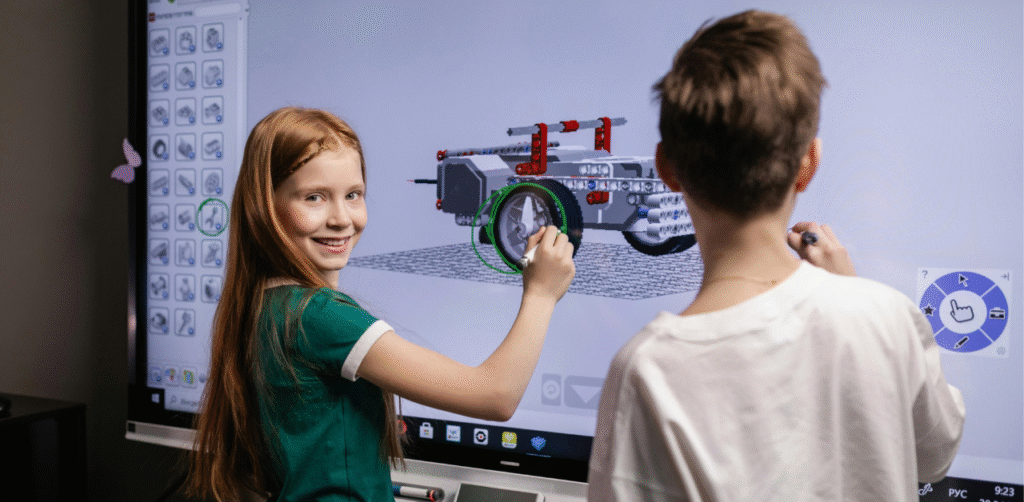
Let’s break down what a digital learning platform really is and why it matters to you.
A digital learning platform is an online system that delivers educational content and manages the learning process. Think of it as a virtual classroom combined with a library, study group, and personal tutor all rolled into one accessible package.
These platforms come in different forms. Some focus on formal education like degrees and certificates. Others specialize in professional development and workplace training. Many offer personal enrichment courses on everything from photography to cooking to meditation.
The beauty of these systems lies in their core features. Most platforms provide video lessons that you can pause and replay as many times as needed. Interactive quizzes help you test your knowledge immediately. Discussion forums connect you with fellow learners facing similar challenges. Progress tracking shows you how far you’ve come and what’s next on your learning path.
What separates modern digital learning platforms from traditional online courses is personalization. Smart algorithms notice what you’re good at and where you struggle. They suggest content tailored to your needs. They adapt to your learning style and pace.
The technology behind these platforms has evolved dramatically. Early systems were basically file storage with some basic tracking. Today’s platforms use artificial intelligence to personalize your experience. They incorporate gamification elements to keep you motivated. They support mobile learning so you can study during your commute.
The Best Digital Learning Platforms Available Today
Choosing the right platform can feel overwhelming with so many options available. Let’s explore some of the top choices that have proven track records and millions of satisfied learners.
Coursera stands out as one of the most comprehensive platforms. It partners with top universities and companies worldwide to offer professional certificates, degrees, and individual courses. The platform excels in technical subjects and business courses. You’ll find content from institutions like Stanford, Yale, and Google.
Udemy takes a different approach with its marketplace model. Instructors create and sell courses on virtually any topic imaginable. This means incredible variety but also varying quality. The platform works best for practical skills like web development, graphic design, and marketing.
LinkedIn Learning (formerly Lynda.com) specializes in professional development. It integrates seamlessly with LinkedIn profiles, letting you showcase completed courses. The content focuses heavily on business skills, software training, and creative techniques. Its strength is keeping pace with industry trends.
Khan Academy revolutionized free education for students. It offers comprehensive K-12 content plus test preparation materials. The platform’s interactive exercises and personalized dashboard make it perfect for younger learners and anyone wanting to strengthen foundational knowledge.
edX operates similarly to Coursera but with a stronger academic focus. Founded by Harvard and MIT, it offers university-level courses and micro-credentials. The platform appeals to learners seeking rigorous academic content without traditional enrollment.
Skillshare creates a creative community atmosphere. It specializes in creative arts, design, and lifestyle topics. The short, project-based classes encourage hands-on learning. A subscription gives unlimited access to thousands of classes.
Each platform has distinct advantages. Your choice depends on your goals, learning style, and budget. Some offer mobile apps for learning on the go. Others provide downloadable resources for offline study. Many include certificates upon completion to showcase your achievements.
When evaluating platforms, consider the quality of instructors, student reviews, course variety in your interest areas, and whether the interface feels intuitive to you. Most platforms offer free trials or sample lessons so you can test them before committing.
Free Digital Learning Platforms Worth Exploring
Quality education doesn’t always require payment. Numerous platforms offer excellent free content that rivals paid options.
Google’s Digital Learning Platform provides free training in digital skills, data analytics, and IT support. Google Career Certificates have become recognized credentials that can boost your resume. The platform’s strength is practical, job-ready training designed by industry professionals.
MIT OpenCourseWare offers free access to materials from actual MIT courses. You won’t get credit or certificates, but you receive the same lecture notes, assignments, and readings that MIT students use. This platform works wonderfully for self-motivated learners who want college-level content.
Duolingo has made language learning accessible to millions. Its game-like approach keeps learners engaged while building vocabulary and grammar skills. The free version provides substantial content, though premium features enhance the experience.
YouTube shouldn’t be overlooked as a learning platform. Countless educators create high-quality instructional content. Channels like CrashCourse, Khan Academy, and TED-Ed offer structured learning paths on numerous subjects.
Codecademy’s free tier teaches programming basics through interactive lessons. While the paid version unlocks more features, the free content provides solid foundations in popular programming languages.
OpenLearn from The Open University offers hundreds of free courses. Topics span from history to health sciences. Courses include completion certificates and often provide college credit options.
The catch with free platforms is usually limited features, advertisements, or restricted access to certain content. However, they’re perfect for exploring new interests or supplementing paid learning without financial risk.
Free doesn’t mean inferior. Many learners have built entire skill sets using only free resources. The key is commitment and strategic selection of courses that build on each other.
Digital Platforms for Teaching and Learning

Digital platforms serve both learners and educators. For teachers and trainers, these tools have become essential for delivering engaging educational experiences.
Google Classroom simplifies course management for educators. It integrates with other Google tools to streamline assignment distribution, grading, and communication. Teachers appreciate its straightforward interface and students find it easy to navigate.
Canvas and Blackboard dominate higher education. These Learning Management Systems (LMS) handle everything from enrollment to grading to content delivery. They support various content types including videos, documents, and interactive elements.
Moodle offers open-source flexibility. Schools and organizations can customize it extensively to match their specific needs. It’s particularly popular in K-12 education and corporate training programs.
Teachable and Thinkific empower individual educators and businesses to create their own online schools. These platforms handle the technical aspects so teachers can focus on content creation. They include payment processing, student management, and marketing tools.
For corporate training, platforms like TalentLMS and Docebo provide features specifically for workplace learning. They track compliance training, measure employee progress, and integrate with HR systems.
Interactive tools enhance the learning experience significantly. Discussion boards foster peer-to-peer learning. Live video sessions enable real-time interaction. Collaborative projects teach teamwork skills. Quiz builders help assess understanding immediately.
Modern teaching platforms use analytics to help educators improve their courses. They show which lessons students struggle with, how long learners spend on different sections, and what content generates the most engagement.
The best platforms for teaching include content authoring tools. Educators can create multimedia lessons without technical expertise. Drag-and-drop interfaces make course building accessible to everyone.
Accessibility features ensure all students can learn effectively. Closed captions, screen reader compatibility, and adjustable text sizes make content available to learners with disabilities.
Advantages of Digital Learning Platforms
The benefits of digital learning platforms extend far beyond convenience. They’re reshaping how we approach education fundamentally.
Flexibility tops the list of advantages. Learn whenever your schedule allows, whether that’s 5 AM before work or 11 PM after the kids sleep. Pause lessons when life interrupts. Resume exactly where you left off. This adaptability makes learning possible for people with busy lives.
Accessibility breaks down traditional barriers. Geographic location no longer limits your educational options. Rural students access the same quality instruction as urban learners. People with mobility challenges study from home comfortably. Language barriers diminish with translation features and international content.
Personalization transforms the learning experience. Platforms adapt to your pace. Struggle with a concept? The system provides additional practice. Master something quickly? It advances you forward. This individualized approach is impossible in traditional classrooms.
Cost-effectiveness makes education affordable. Many platforms cost less than a single college textbook. Free options provide quality content without any expense. This democratization of knowledge means financial limitations no longer prevent learning.
Variety and choice offer unprecedented options. Explore niche topics unavailable in local schools. Sample different subjects before committing deeply. Switch between technical skills and creative pursuits easily.
Progress tracking keeps you motivated. Visual dashboards show your advancement. Earning badges and certificates celebrates achievements. This gamification aspect makes learning feel rewarding.
Updated content stays current with industry changes. Unlike static textbooks, digital platforms update materials regularly. You learn the latest techniques and information rather than outdated content.
Self-paced learning respects individual differences. Some people grasp concepts quickly. Others need more time to absorb information. Digital platforms accommodate both without pressure or judgment.
Career advancement becomes more achievable. Acquire new skills without leaving your job. Earn certificates that employers recognize. Pivot to new careers through systematic skill building.
Networking opportunities connect you with learners worldwide. Share perspectives with people from different backgrounds. Build professional connections that might lead to opportunities.
Immediate feedback accelerates improvement. Interactive quizzes show what you understood and what needs review. This instant assessment helps you adjust your study approach quickly.
Environmental benefits shouldn’t be overlooked. Digital learning reduces paper consumption, eliminates commuting emissions, and decreases resource usage compared to traditional education.
Choosing the Right Platform for Your Needs
Selecting the ideal digital learning platform requires thoughtful consideration of your unique situation and goals.
Start by identifying your learning objectives. Are you pursuing career advancement, personal enrichment, or formal credentials? Your answer shapes which platform suits you best. Professional certificates matter more on platforms like Coursera or LinkedIn Learning. Personal hobbies thrive on Skillshare or Udemy.
Consider your learning style. Do you prefer structured courses with set schedules or flexible browsing? Some platforms offer guided learning paths while others let you explore freely. Video-based learners might prefer platforms with extensive video libraries. Reading-focused individuals might choose text-heavy platforms.
Budget plays a crucial role. Determine what you can invest monthly or annually. Remember that many platforms offer financial aid or payment plans. Free trials let you test platforms before paying.
Time availability matters significantly. Some courses require weekly commitments while others let you learn in small bursts. Match the platform’s structure to your realistic time availability rather than ideal aspirations.
Technical requirements deserve attention. Ensure your devices and internet connection support the platform adequately. Check if mobile apps are available if you plan to learn on the go.
Read reviews from actual users. Look beyond star ratings to understand specific strengths and weaknesses. Pay attention to comments about customer support, technical issues, and content quality.
Test the platform’s interface. A confusing navigation system will frustrate you regardless of content quality. Most platforms offer sample lessons or free trials. Use these to evaluate usability.
Examine the instructor credentials in your subject area. Quality varies significantly between platforms and even between courses on the same platform. Look for instructors with real-world experience and teaching skills.
Check if certifications are recognized in your field. Some industries value certain platform credentials more than others. Research what employers in your target field respect.
Community features might influence your choice. Some learners thrive on interaction while others prefer solitary study. Platforms with active forums and study groups suit social learners.
Consider long-term value. Will the platform grow with you? Can you access increasingly advanced content as your skills develop? Platforms with clear progression paths provide better value over time.
The Future of Digital Learning Platforms
Digital learning platforms continue evolving rapidly with exciting innovations on the horizon.
Artificial intelligence is becoming more sophisticated in personalizing learning experiences. Future platforms will understand your learning patterns deeply, predicting what you need before you realize it yourself. AI tutors will provide increasingly human-like guidance and support.
Virtual and augmented reality are transforming certain subjects. Imagine practicing surgery in virtual operating rooms or exploring ancient civilizations through immersive experiences. These technologies make abstract concepts tangible and memorable.
Microlearning continues gaining momentum. Platforms are breaking content into smaller, focused segments that fit busy schedules. Three-minute lessons during coffee breaks accumulate into significant skill development over time.
Social learning features are expanding. Future platforms will facilitate peer-to-peer teaching more effectively. Learners will transition between student and teacher roles seamlessly, deepening their understanding through explanation.
Blockchain technology promises verifiable credentials that employers can trust instantly. Your learning achievements will become portable, tamper-proof records that follow you throughout your career.
Adaptive learning systems will become more nuanced. Platforms will consider your emotional state, energy levels, and optimal learning times. They’ll suggest breaks when you’re getting fatigued or offer encouragement when you’re struggling.
Mobile-first design will dominate as more people access education through smartphones. Platforms will optimize every feature for small screens and touch interfaces.
Integration between platforms will increase. Imagine seamlessly combining courses from multiple providers into one cohesive learning path. Cross-platform credentials will become standard.
Real-time language translation will make content universally accessible. Language barriers will fade as AI provides accurate, instant translation of courses into hundreds of languages.
Skills-based education will overshadow traditional degree programs. Platforms will focus on specific competencies employers need rather than broad general knowledge. Micro-credentials will become valuable currency in job markets.
Making the Most of Your Digital Learning Experience
Success on digital learning platforms requires more than just enrolling. These strategies will help you maximize your investment.
Set clear, specific goals before starting. “I want to learn programming” is too vague. “I want to build a personal website using HTML and CSS within three months” gives you direction and measurable progress.
Create a dedicated learning schedule. Treat your online courses like important appointments. Block time on your calendar and protect it from other commitments. Consistency matters more than duration.
Prepare your learning environment. Find a quiet space with minimal distractions. Good lighting and comfortable seating make extended study sessions more pleasant. Keep necessary supplies within reach.
Take notes actively even though content is recorded. The act of writing reinforces learning. Your notes become valuable reference materials later. Summarize key points in your own words.
Engage with the community. Ask questions in forums. Respond to other learners’ queries. Share your projects and insights. Active participation deepens understanding and builds connections.
Apply what you learn immediately. Knowledge without application fades quickly. Work on projects that use new skills. This practical application cements learning effectively.
Don’t rush through content. Platforms make binge-watching easy but learning requires processing time. Space out lessons to let information sink in. Review previous material before advancing.
Use multiple platforms strategically. Different platforms excel at different things. You might use YouTube for quick tutorials, Coursera for structured courses, and practice platforms for hands-on work.
Track your progress visibly. Keep a learning journal. Mark completed courses on a calendar. Celebrate milestones. Visible progress maintains motivation during challenging phases.
Connect with other learners outside the platform. Form study groups through social media. Schedule video calls with course peers. External accountability increases completion rates significantly.
Be patient with yourself. Learning takes time. Frustration is normal when facing difficult concepts. Take breaks when needed. Return with fresh perspective rather than forcing comprehension.
Seek feedback regularly. Complete assessments honestly. Request reviews of your projects. Constructive criticism accelerates improvement more than solitary practice.
Frequently Asked Questions
What is a digital learning platform?
A digital learning platform is an online system that delivers educational content through the internet. It provides video lessons, interactive exercises, quizzes, and community features. These platforms let you access courses anytime, anywhere using a computer, tablet, or smartphone. They manage your learning progress and often offer certificates upon completion.
Are digital learning platforms effective for all age groups?
Yes, digital learning platforms work well for learners of all ages. Young children benefit from interactive, game-like platforms such as Khan Academy Kids. Teenagers and college students use platforms like Coursera and edX for academic subjects. Adults find professional development through LinkedIn Learning and Udemy. Seniors embrace platforms for hobbies and personal enrichment. The key is choosing age-appropriate content and interfaces.
How much do digital learning platforms cost?
Costs vary widely. Many platforms like Khan Academy and MIT OpenCourseWare are completely free. Subscription-based platforms like Skillshare charge around $15-30 monthly. Course-based platforms like Udemy sell individual courses for $10-200. Premium platforms like Coursera charge $39-79 monthly for unlimited access or $15-100 per individual course. Many offer financial aid or free trials.
Can I get a job using skills learned from online platforms?
Absolutely. Many people have launched successful careers using skills from digital platforms. Employers increasingly recognize certificates from reputable platforms like Google Career Certificates, IBM courses on Coursera, and AWS training. The key is building a portfolio that demonstrates your skills practically. Combine platform learning with real-world projects to show employers what you can do.
Do digital learning platforms offer certificates?
Most platforms provide certificates of completion. The value varies by platform and course. Professional certificates from platforms like Coursera, edX, and LinkedIn Learning carry more weight with employers. Some platforms charge fees for certificates even when courses are free. Always check if certificates are included or require additional payment before enrolling.
How do I stay motivated when learning online?
Staying motivated requires strategy. Set specific, measurable goals with deadlines. Create a consistent study schedule and treat it seriously. Join online communities to connect with fellow learners. Break large courses into small, manageable chunks. Reward yourself for completing milestones. Share your learning journey on social media for accountability. Remember why you started when motivation dips.
What internet speed do I need for digital learning?
Most platforms work well with basic broadband speeds of 5-10 Mbps. Video-heavy courses stream smoothly at this speed. Live video classes require slightly higher speeds of 10-20 Mbps for clear audio and video. Many platforms let you download content for offline viewing, solving internet speed issues. Check specific platform requirements before enrolling in courses with live components.
Are digital learning platforms accessible for people with disabilities?
Leading platforms prioritize accessibility. Features include closed captions for videos, screen reader compatibility, keyboard navigation, adjustable text sizes, and high-contrast display options. Platforms like Coursera and edX meet international accessibility standards. However, accessibility varies by platform and even by course. Contact platform support to verify specific accessibility features before enrolling.
Conclusion
Digital learning platforms have transformed education from a privilege into a universal possibility. They’ve removed barriers that once kept people from pursuing knowledge and skills.
The flexibility these platforms provide means you can learn anything, anytime, from anywhere. Whether you’re a student supplementing classroom education, a professional advancing your career, or someone exploring new interests, there’s a platform designed for your needs.
The variety of available platforms ensures you’ll find one matching your learning style, budget, and goals. Free options provide quality content without financial burden. Paid platforms offer structured paths and recognized credentials. The choice is yours.
Remember that the platform is just a tool. Your success depends on commitment, consistency, and application. The best platform in the world won’t teach you anything unless you show up and do the work.
Start small if you’re new to online learning. Try a free course on a topic that genuinely interests you. Experience how digital platforms work before committing to longer, more expensive programs.
The future of education is digital, personalized, and accessible. These platforms continue evolving with new technologies and better features. Now is the perfect time to begin your digital learning journey.
Take that first step today. Browse platforms. Wtch sample lessons. Enroll in a course that excites you. Your future self will thank you for the investment you make in your education right now.
The world of knowledge is literally at your fingertips. What will you learn first?