

Tired of forgetting names or feeling your focus drift right when you need it most? Imagine unlocking a secret superpower that makes learning easier and remembering everything simple! That incredible power isn’t magic, it’s the fuel you give your mind. What you eat directly affects how well your brain works, making the difference between stubborn “brain fog” and lightning-fast, superstar thinking. Ready to swap sluggishness for sustained energy and turbo-charge your memory and concentration? Dive into this ultimate guide and discover the best foods to boost memory & concentration your secret weapon for success!
Brain Food: Why What You Eat Matters for Your Mind
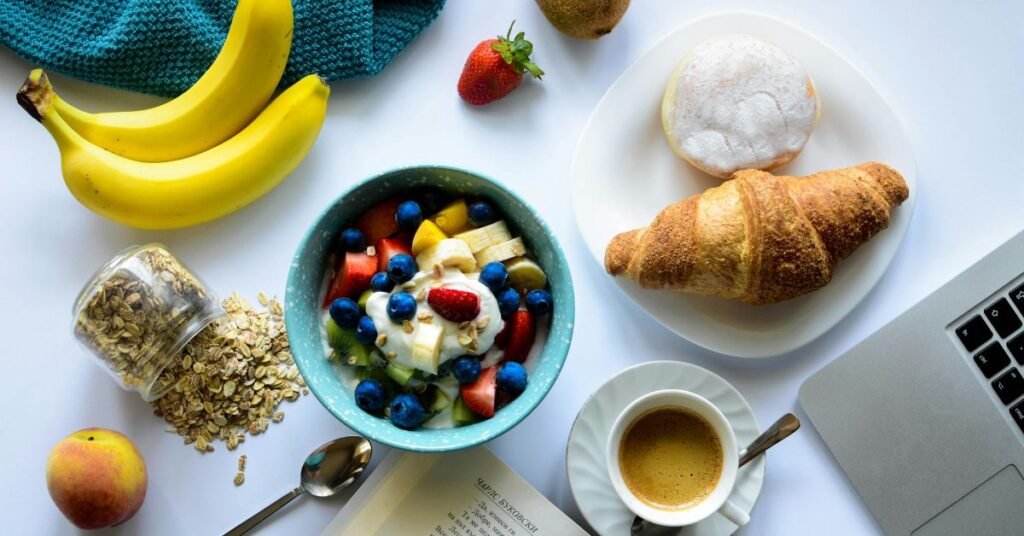
Have you ever noticed that after eating certain foods, you feel sluggish and can’t focus? Or, conversely, after a healthy meal, your mind feels sharp and ready to tackle anything?
This isn’t just a coincidence!
The food you eat has a direct and powerful effect on your brain’s performance. Think of your brain as the most high-tech, super-powered computer in the world. Just like a computer needs the right kind of fuel to run fast and smoothly, your brain needs the best nutrients to power your memory, concentration, and mood.
When we talk about “brain food,” we mean foods packed with vitamins, antioxidants, and healthy fats that specifically support brain health. These nutrients help your brain cells communicate, grow, and protect themselves from damage.
Giving your brain the right fuel supports:
- Sharper Memory: Easier recall of facts, names, and information.
- Better Concentration: Staying focused on tasks without getting distracted.
- Steady Energy: Avoiding the “brain fog” that comes after sugary snacks.
- A Brighter Mood: Key nutrients help create the chemicals that regulate your emotions.
It’s about feeding your mind for better learning and overall mental performance.
Foods to Boost Memory: Essential Nutrients for Recall

If you’re looking for an edge in school, at work, or just in your daily life, certain nutrients are non-negotiable for boosting your memory. Getting enough of these from your diet can make a real difference in how easily you learn and recall information.
The Power of Omega 3 Fatty Acids
These are the absolute superstars of brain health.
About 60% of your brain is made of fat, and half of that fat is made up of omega-3s, particularly a type called DHA (Docosahexaenoic Acid).
DHA helps build and repair brain cells, keeping their walls flexible so they can send and receive signals quickly. This means better communication between the different parts of your brain which is crucial for forming and storing memories.
Best Sources:
- Fatty Fish: Salmon, trout, mackerel, and sardines. Aim to eat these at least twice a week.
- Nuts and Seeds: Walnuts, flaxseeds, and chia seeds. Walnuts are especially good because they contain a plant-based omega-3.
The Antioxidant Super Squad
Your brain uses a lot of oxygen and is constantly working hard, which creates byproducts called “free radicals” that can damage brain cells over time. This is called oxidative stress.
Antioxidants act like tiny shields that fight off these harmful free radicals, protecting your brain from damage and helping to keep your memory sharp as you age.
Best Sources:
- Berries: Blueberries are often called a brain superfood. They and other dark berries (strawberries, blackberries) are packed with flavonoids, powerful antioxidants that improve blood flow to the brain.
- Dark Chocolate: Yes, really! Chocolate with 70% cocoa or higher is rich in flavonoids and has been shown to improve blood flow and even mood. Just remember to enjoy it in small amounts.
B Vitamins: The Memory Makers
B vitamins, especially B6, B12, and folate, are essential for making neurotransmitters the chemical messengers your brain cells use to talk to each other. They also help control levels of a chemical called homocysteine; high levels of homocysteine are linked to brain fog and cognitive decline.
Best Sources:
- Eggs: The yolk is rich in choline, a B-vitamin-like nutrient your body uses to make the neurotransmitter acetylcholine, which is vital for memory and learning.
- Leafy Green Vegetables: Spinach, kale, and broccoli are loaded with folate and Vitamin K, which help with blood circulation and protect your brain from age-related decline.
Best Foods for Brain Health: Building a Stronger Mind
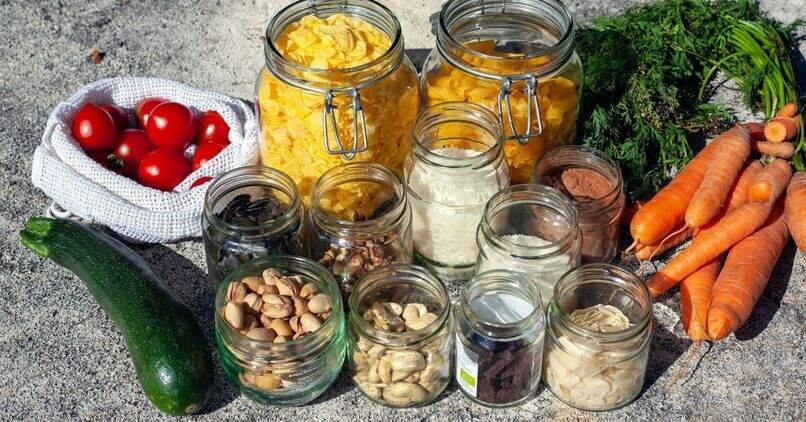
A truly healthy brain is one that is protected and fueled every day. The best brain health strategy involves a mix of foods that work together to keep your mind resilient.
Vegetable Powerhouses
Leafy greens and cruciferous vegetables aren’t just good for your body; they are fantastic for your brain.
- Kale and Spinach: These are high in Vitamin K, lutein, and folate. Vitamin K helps your brain’s fat structure stay healthy, and studies show that people who eat more leafy greens have a slower rate of memory decline.
- Broccoli: Another source of Vitamin K and powerful antioxidants. It has compounds that help fight inflammation in the brain.
- Beets: These contain nitrates, which your body converts into nitric oxide. Nitric oxide helps dilate (widen) blood vessels, allowing more oxygenated blood to reach your brain meaning better overall brain function.
Nuts and Seeds: Crunchy, Portable Brain Fuel
Nuts and seeds are perfect snacks because they offer a balanced mix of healthy fats, protein, and fiber, providing sustained energy.
- Walnuts: Often called the “brain nut” because of their brain-like shape, they are one of the top plant sources of omega-3s and are rich in Vitamin E.
- Almonds: Great sources of Vitamin E, which is a powerful antioxidant that helps protect brain cell membranes.
- Pumpkin Seeds: Tiny but mighty, they are packed with zinc (key for nerve signaling), magnesium (great for memory), and iron (helps carry oxygen to the brain).
A handful of mixed nuts daily is an easy and delicious way to fuel your mind.
Healthy Oils: The Best Lubricant for Your Brain
Not all fats are bad! Your brain loves healthy fats, especially the monounsaturated kind.
- Olive Oil (Extra Virgin): This oil is a core part of the Mediterranean diet, which is famous for supporting heart and brain health. It’s rich in antioxidants called polyphenols that fight inflammation.
- Avocados: They are high in monounsaturated fats, which support healthy blood flow. Good blood flow means your brain gets all the oxygen it needs to think clearly.
Diet for Concentration and Memory: Steady Energy is Key
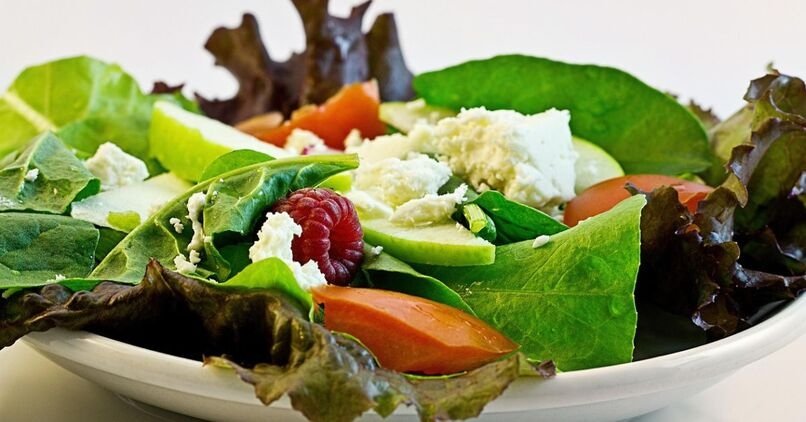
Your ability to concentrate relies heavily on a steady supply of energy (glucose) to your brain. Eating a diet that causes your blood sugar to spike and then crash is the fastest way to lose focus and feel mentally exhausted.
The Complex Carbohydrate Advantage (Whole Grains)
Your brain’s preferred fuel is glucose, which comes from carbohydrates.
But here’s the trick: The brain can’t store glucose, so it needs a slow and steady supply throughout the day.
- Whole Grains (like oatmeal, brown rice, whole-wheat bread, and quinoa) are complex carbohydrates. They are digested slowly, providing a consistent, sustained release of glucose. This helps you stay alert, focused, and mentally energized for hours.
- Refined Carbs (like white bread and sugary snacks) give a quick rush, but then a fast crash, leading to that distracting “brain fog.”
Choose whole grains over refined grains to keep your concentration steady.
Staying Hydrated: The Unsung Hero
Did you know your brain is made up of about 75% water? Even mild dehydration can seriously reduce your mental energy, impair memory, and make it hard to focus.
Actionable Advice:
- Keep a water bottle with you at all times.
- Aim to drink water steadily throughout your day, not just when you feel thirsty.
- Herbal teas (like green tea) and foods with high water content (like watermelon and cucumbers) also contribute to your hydration.
The Anti-Inflammation Boost (Turmeric and Spices)
Inflammation is your body’s response to damage, but chronic inflammation can harm your brain. Foods that fight inflammation are essential for long-term concentration and memory protection.
- Turmeric: This golden spice contains a compound called curcumin. Curcumin is a powerful anti-inflammatory and antioxidant agent that has been shown to cross the blood-brain barrier and help new brain cells grow. Try adding it to soups, eggs, or a latte.
Memory Boosting Foods: Top Picks for Students and Learners

Whether you’re studying for an exam, learning a new skill, or trying to remember a client’s name, these foods are your go-to allies for super-charging your memory.
The Ultimate Memory Duo
- Blueberries: As mentioned, they are memory champions. Studies suggest they may improve or delay short-term memory loss. Pack them in your lunchbox!
- Fatty Fish (Salmon, Sardines): With their high DHA content, they are literally building blocks for stronger memory and better communication pathways in the brain.
The Protein Power-Up
Protein is essential because it is broken down into amino acids, which are used to create those critical brain chemicals (neurotransmitters) needed for signaling and alertness.
- Eggs: The choline-rich yolk fuels the memory-related neurotransmitter, acetylcholine.
- Beans and Legumes: These offer a blend of fiber, B vitamins, and protein, providing a slow-release fuel source that helps your concentration last longer. Black beans and lentils are great examples.
Green Tea: Focus and Calm in a Cup
Green tea is more than just a drink; it’s a focus tool. It contains two key compounds:
- Caffeine: Provides a gentle boost of alertness.
- L-Theanine: An amino acid that works with caffeine to create a state of relaxed focus. It can help reduce anxiety and improve attention without the jitters you sometimes get from coffee.
What to Eat for Better Focus: Your Daily Action Plan
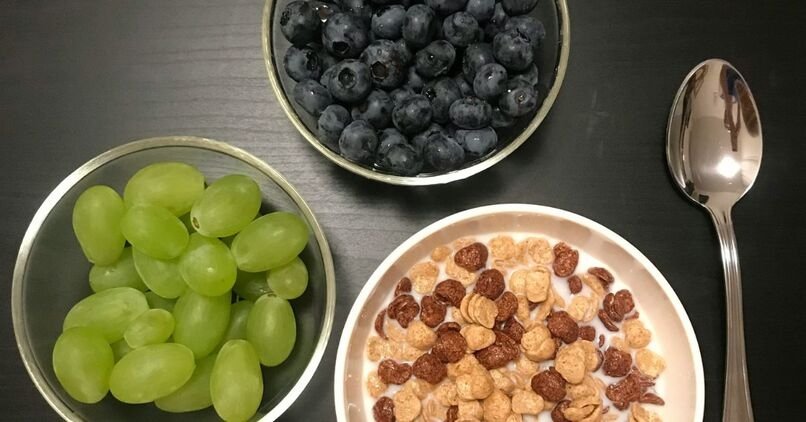
You don’t need a complicated plan to start eating for a better brain. A few simple swaps and additions to your daily routine can significantly improve your focus and concentration right away.
Breakfast Focus Formula
Start your day with a brain-friendly combination of fiber, protein, and healthy fats.
- Option 1 (Oatmeal Power): Oatmeal (whole grain) topped with blueberries, walnuts, and a sprinkle of cinnamon. Steady energy, antioxidants, and omega-3s.
- Option 2 (Egg Scramble): Scrambled eggs with spinach and a slice of whole-wheat toast topped with avocado. Choline, folate, Vitamin E, and complex carbs.
- Option 3 (Yogurt Parfait): Plain Greek yogurt (for protein and probiotics) layered with mixed berries and a handful of pumpkin seeds. Protein, antioxidants, and zinc.
Lunchtime Concentration Builders
Keep lunch light but packed with nutrients to avoid the afternoon slump.
- Big Salad: A large salad with dark leafy greens (kale, spinach), topped with chickpeas or beans, and a dressing made with olive oil.
- Salmon Sandwich (Whole Grain): Use leftover baked salmon on whole-grain bread with lettuce and tomato (rich in lycopene, another antioxidant).
Smart Snacking for Sustained Alertness
Replace sugary snacks with options that maintain steady blood sugar and fuel your mind.
- A small handful of nuts (almonds or walnuts).
- A piece of fruit (like an apple or orange, which offers Vitamin C to protect against free radicals).
- Dark chocolate (a small square of 70% cocoa or higher).
- Carrots or celery sticks with hummus (beans for fiber and B vitamins).
Remember the Basics
While these superfoods are amazing, they work best as part of an overall healthy eating pattern, such as the Mediterranean diet, which emphasizes fruits, vegetables, fish, and healthy oils while limiting processed foods, red meat, and sugary drinks.
The key to a sharper mind isn’t a single “magic pill” food it’s about making smart, consistent choices every day. Fuel your body with the best, and your brain will reward you with improved memory, unshakeable concentration, and sustained mental energy.
Conclusion:
Your brain is the most precious resource you have. It allows you to learn, create, remember, and connect with the world.
By choosing the best foods to boost memory and concentration from the omega-3 rich fatty fish and walnuts, to the antioxidant-filled berries and leafy greens you are making a powerful investment in your mental future.
Remember that eating for brain health is not a temporary diet; it’s a lifestyle change built on simple, consistent choices. Focus on whole foods, limit the processed stuff, and stay hydrated. When you nourish your mind with the right fuel, you unlock your ability to focus better, remember more easily, and enjoy clearer, steadier energy throughout your day. Start today, and give your amazing brain the goodness it deserves!
Frequently Asked Questions (FAQs)
Q1: What is “brain fog,” and how can these foods help?
A: Brain fog is a common feeling of mental sluggishness, poor concentration, and difficulty thinking clearly. It’s often linked to blood sugar crashes (from eating too much sugar or refined carbs) and inflammation. The foods we discussed especially whole grains for steady energy, healthy fats like omega-3s, and antioxidants like berries help by stabilizing your energy and reducing inflammation, clearing up the fog so you can think clearly.
Q2: How quickly can I expect to see a difference in my focus?
A: While some nutrients build up over time for long-term protection, you might notice small, positive changes in your focus and energy within a few days to a week of consistently eating more whole grains, healthy fats, and less processed food. Switching from a sugary breakfast to one with whole grains and protein can improve your morning focus almost immediately!
Q3: Are coffee and green tea good for my brain?
A: Yes, in moderation. Both coffee and green tea contain caffeine, which increases alertness. They also have antioxidants that offer long-term protection. Green tea is especially good because it contains L-Theanine, which promotes a calmer, more focused state. The important thing is to avoid drinking too much, as too much caffeine can cause jitters and interfere with sleep, which is also vital for memory.
Q4: If I don’t eat fish, where can I get omega-3s?
A: You can get plant-based omega-3s from walnuts, flax seeds, and chia seeds. Your body has to convert these plant sources into the DHA your brain needs, so it’s important to eat them regularly. If you are vegetarian or vegan, you can also look for supplements made from algae oil, which is the original source of the DHA found in fish.
Q5: What is the single most important food group for overall brain health?
A: While it’s hard to pick just one, dark leafy greens (like spinach and kale) are arguably the most essential. They are packed with a huge variety of brain-protecting nutrients Vitamin K, folate, lutein, and antioxidants which are linked to slower cognitive decline and better blood flow. Try to include a handful in your diet every day.